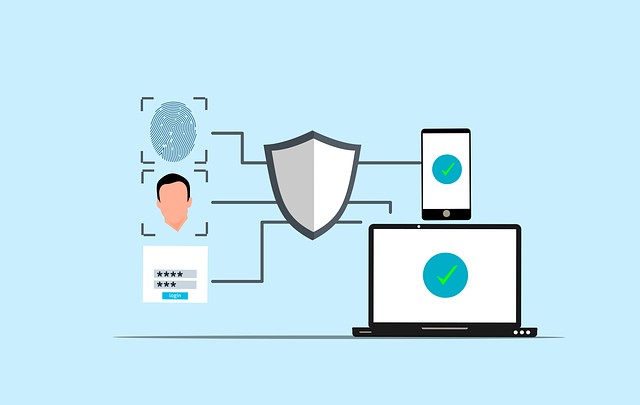
As we step into 2025, the digital landscape is expanding rapidly, with organizations increasingly relying on interconnected systems, cloud technologies, and AI-driven solutions. But this evolution comes with an ever-growing attack surface. Cyber threats are more sophisticated, relentless, and costly than ever, making a robust security architecture a necessity.
Why Security Architecture Matters More Than Ever
A strong security architecture is the foundation of an organization’s cybersecurity strategy. It’s not just about reacting to threats; it’s about proactively designing a structure that minimizes risks and ensures resilience.
Here’s why it’s critical:
The Rising Tide of Cyber Threats
-From ransomware to zero-day vulnerabilities, the threat landscape is more complex. Organizations need an architecture that anticipates and mitigates these risks.
Compliance and Regulation
-Data protection laws like GDPR and CCPA require architectures aligned with regulatory requirements to avoid fines and reputational damage.
Hybrid Work Challenges
-The shift to hybrid work demands security solutions that protect dispersed teams and cloud environments without compromising productivity.
AI and Automation Risks
-While AI is a powerful ally, it’s also a tool for adversaries. A robust architecture ensures organizations leverage AI securely while defending against AI-driven threats.
Key Components of a Secure Security Architecture
Zero Trust Implementation
-Assume breach and verify everything. Zero Trust creates multiple layers of defense.
Cloud Security
-With cloud adoption at an all-time high, securing cloud environments with encryption, access controls, and monitoring tools is essential.
Identity and Access Management (IAM)
-Strong IAM solutions ensure only authorized users access critical systems and data.
Threat Intelligence and Analytics
-Leverage real-time data to identify and respond to threats before they escalate.
Incident Response and Resilience
Organizations need a plan to detect, respond, and recover swiftly from incidents.
The Expertise Required
Building and maintaining this level of security requires skilled professionals, including:
-Security Architects: To design robust frameworks.
-Cloud Security Specialists: To protect cloud-based assets.
-Threat Analysts: To stay ahead of evolving threats.
-DevSecOps Engineers: To embed security in development cycles.
Looking Ahead
The need for secure security architecture is no longer just an IT concern; it’s a boardroom discussion. Organizations must invest in the right technologies and expertise to build a resilient framework that adapts to emerging threats.
What steps is your organization taking to strengthen its security architecture for the future?
Let’s discuss in the comments!